
Best Level 2 EV Charger for Home (2026 Buying Guide)
As an Amazon Associate I earn from qualifying purchases. We may earn a commission when you buy through links on this page. Learn more.
In this guide (6 sections)
Top picks at a glance
 Best for mixed-EV homesTesla Universal Wall ConnectorView on Amazon
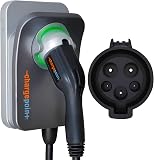 Best smart chargerChargePoint Home FlexView on Amazon
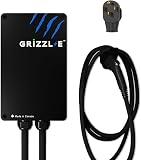 Best for outdoor installsGrizzl-E ClassicView on Amazon
 Best for energy trackingEmporia Level 2 EV ChargerView on Amazon
 Premium pickAutel MaxiChargerView on Amazon
A Level 2 charger turns overnight charging from "barely enough" into "always full." Plugged into a standard 120V outlet, most EVs add only a few miles of range per hour. A 240V Level 2 unit adds roughly 20–45 miles per hour depending on the charger's amperage and your car's onboard charger.
Quick answer: our top pick is the Tesla Universal Wall Connector, because it switches between NACS and J1772 plugs, so one hardwired unit charges a Tesla and almost any other EV; choose the ChargePoint Home Flex for the most flexible smart features.
The catch: the charger is only half the decision. Your panel capacity, the circuit you install, and the connector your car uses matter just as much. This guide covers all three.
Quick picks
| Charger | Best for | Max output | Install type | Price |
|---|---|---|---|---|
| Tesla Universal Wall Connector | Households with a Tesla plus another EV | 48A | Hardwired | Check price |
| ChargePoint Home Flex | Owners who want app control and flexible amperage | Up to 50A | Plug-in or hardwired | Check price |
| Grizzl-E Classic | Outdoor installs and no-frills reliability | 40A | Plug-in | Check price |
| Emporia Level 2 Charger | Energy tracking and solar-aware charging | Up to 48A | Plug-in or hardwired | Check price |
| Autel MaxiCharger | A premium smart charger with a large display | Up to 50A (model dependent) | Plug-in or hardwired | Check price |
Specs vary by model year and version, so confirm the exact listing before you buy.
The best Level 2 EV chargers
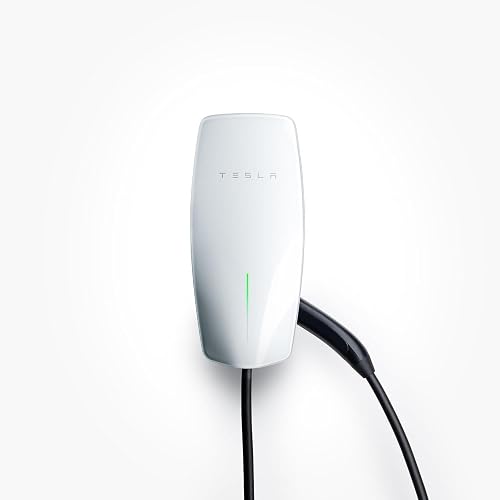
Tesla Universal Wall Connector
Best for: Homes with a Tesla and a non-Tesla EV, or anyone planning ahead for the NACS connector.
- Product Dimensions
- 6"D x 6"W x 13"H
- Item Weight
- 12.8 pounds
- Output Voltage
- 240 volts AC
- Current Rating
- 48 A
- Connector Type Used on Cable
- NACS + J1772
- Specification Met
- UL, CE, CEC, FCC, IEC
The Universal Wall Connector switches between NACS and J1772 plugs, so one hardwired unit can charge a Tesla and almost any other North American EV. It delivers up to 11.5 kW (48A), which Tesla rates at up to 44 miles of range per hour, and gets over-the-air updates through Wi-Fi.
Pros
- One unit charges both NACS (Tesla) and J1772 cars
- Up to 48A / 11.5 kW on a 60A circuit
- Indoor or outdoor install
- Over-the-air firmware updates and app access control
Cons
- Hardwired only, so an electrician is required
- Fewer energy-tracking features than dedicated smart chargers
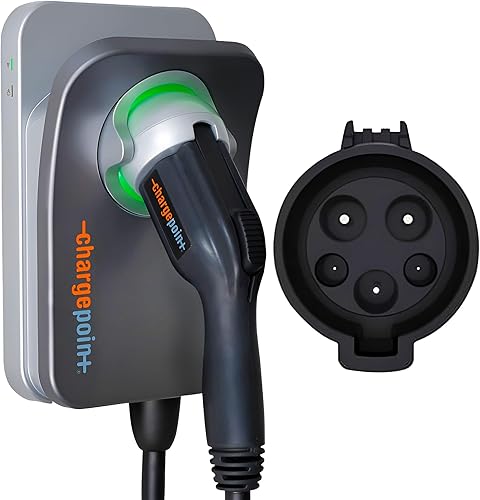
ChargePoint Home Flex
Best for: Owners who want scheduling, usage history and adjustable amperage from an app.
- Product Dimensions
- 7.06"D x 11.19"W x 7.07"H
- Item Weight
- 13.8 pounds
- Output Voltage
- 240 volts AC
- Input Voltage
- 240 volts
- Current Rating
- 80 A
- Amperage
- 50 A
Home Flex lets you set the output to match your circuit, which is useful if your panel cannot support a full 50A charger today. It is sold in J1772 and NACS versions, so pick the one that matches your car. Buy it from ChargePoint's official Amazon listing, not a look-alike.
Pros
- Adjustable output to fit existing circuits
- Plug-in (NEMA 14-50 / 6-50) or hardwired
- Mature app with scheduling and usage history
Cons
- Wi-Fi needed for the smart features
- Plug-in installs are limited to lower output than hardwired
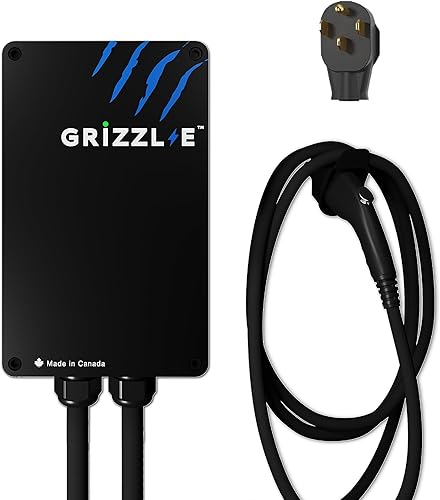
Grizzl-E Classic
Best for: Driveway or carport installs where weather, cold and durability matter more than an app.
- Grizzl-E CLASSIC Level 2 EV Charger up to 40 Amp Grizzl-E DUO Level 2 EV Charger up to 40 Amp Grizzl-E Mini Level 1-2 Portable EV Charger up to 40 Amp Grizzl-E Heavy Duty Easy EV Plug (J1772) Grizzl-E Heavy Duty Easy EV Plug (Tesla) Add to Cart logShoppableMetrics("module-5", true)
- logShoppableMetrics("module-5", false) Buying Options
- Item Weight
- 16.61 pounds
The Grizzl-E Classic is a UL-certified 40A charger in a metal, IP67 case, with a NEMA 14-50 plug and a 24-foot cable. You set the output to match your breaker (40, 32, 24 or 16A). It has no Wi-Fi and no app: you plug in and it charges.
Pros
- Metal IP67 enclosure built for outdoor installs
- Plug-in NEMA 14-50, so no hardwiring needed
- Long 24-ft cable
- Adjustable 40/32/24/16A to fit your circuit
Cons
- No app, scheduling or energy tracking
- You rely on your car's own charge scheduling for off-peak rates

Emporia Level 2 EV Charger
Best for: Homes with solar or time-of-use rates that want to charge when power is cheapest.
- Output Voltage
- 240 volts AC
- Specification Met
- UL
- Current Rating
- 48 A
- Connector Type Used on Cable
- J1772
- Number of Ports
- 1
The Emporia Pro charges at up to 48A and comes with the Emporia Vue home energy monitor. Its PowerSmart feature uses the Vue to slow charging when the rest of the house is drawing power, so you may avoid a panel upgrade. Install it with a NEMA 14-50 plug or hardwire it.
Pros
- Up to 48A when hardwired
- Includes the Vue energy monitor for whole-home tracking
- PowerSmart load management can avoid a panel upgrade
- Plug-in or hardwired, with Wi-Fi and Bluetooth
Cons
- Advanced settings live in the app
- Getting the most out of it means installing the Vue in your panel

Autel MaxiCharger
Best for: Buyers who want a polished smart charger with on-device status display.
- Product Dimensions
- 16"D x 5"W x 7"H
- Output Voltage
- 240 volts AC
- Specification Met
- CSA, UL
- Input Voltage
- 240 volts
- Current Rating
- 80 A
- Connector Type Used on Cable
- SAE J1772
This MaxiCharger version delivers up to 80A (19.2 kW), which Autel says adds about 70 miles of range per hour, for EVs that accept that much AC power. It is hardwired, needs a 100A circuit for full output, and uses Autel's app for time-of-use scheduling.
Pros
- Up to 80A / 19.2 kW, the fastest home charger here
- App scheduling around time-of-use rates
- Built-in temperature monitoring
- Works with all J1772 EVs and PHEVs in North America
Cons
- Full output needs a 100A circuit and an electrician
- Most EVs cannot use 80A, so many buyers pay for speed they will not get
How to choose a home EV charger
1. Match the charger to your circuit
Chargers are a continuous load, so the circuit must be rated at 125% of the charger's output. In practice:
- 32A charger needs a 40A circuit
- 40A charger needs a 50A circuit
- 48A charger needs a 60A circuit (hardwired)
Buying a 48A charger does not help if your panel only has room for a 40A circuit. Many adjustable chargers let you dial output down to match.
Always have a licensed electrician install the circuit and pull any required permits. A bad 240V install is a fire risk, and some utilities and manufacturers require a permitted install for rebates or warranty coverage.
2. Know your car's limit
Your EV's onboard charger caps how fast it can accept AC power. If your car accepts 7.7 kW (about 32A), a 48A charger will not charge it any faster today, though it may help with your next EV.
3. Pick the right connector
Most automakers selling in the US are moving to the NACS (Tesla-style) connector, while many current cars still use J1772. Choose a charger with the connector your car has now, or one that supports both.
4. Plug-in vs hardwired
- Plug-in (NEMA 14-50): easy to replace or take with you when you move. Usually limited to 40A.
- Hardwired: required for 48A and above, often preferred for outdoor installs, and cleaner looking.
5. Smart features are worth it on time-of-use rates
If your utility charges less at night, scheduling can cut charging costs noticeably. Many cars can schedule on their own, so check your car's app before paying extra for a smart charger.
FAQ
How long does Level 2 charging take?
It depends on battery size and charger output. As a rough guide, a 40A charger adds around 30 miles of range per hour for an efficient EV, which fully recharges most cars overnight.
Can I install an EV charger myself?
Mounting the unit is easy; the 240V circuit is not. Hire a licensed electrician.
Do I need a 50A or 60A breaker?
Use 125% of the charger's continuous output: 40A charging needs a 50A breaker, 48A charging needs a 60A breaker.
Bottom line
For mixed Tesla/non-Tesla households, the Tesla Universal Wall Connector is the simplest one-charger solution. If you want the most flexible smart charger, choose the ChargePoint Home Flex. For a tough outdoor install with no app to fuss over, the Grizzl-E Classic is hard to beat.
Sources
Official sources for the standards, safety rules and products in this guide. Specifications change between model years, so confirm current specs and fitment on the manufacturer's site before you buy.
- Charging Electric Vehicles at Home — U.S. Department of Energy, Alternative Fuels Data Center
- NFPA 70: National Electrical Code — NFPA
- UL Solutions (safety certification) — UL
- ChargePoint — official site — current product specifications
- Grizzl-E — official site — current product specifications
- Emporia — official site — current product specifications


